Some songs don’t just play, they linger. “The Hard Way” by Rick Carnes and Janis Carnes delivers exactly that kind of emotional aftershock. It’s not about flashy production or over-the-top storytelling. Instead, it zooms in on a raw, relatable moment when love starts slipping through your fingers, and you know it.
The track leans into vulnerability, letting the listener sit in the discomfort of heartbreak rather than rushing to resolve it. It’s a strategic emotional slow-burn and it works brilliantly.
💔Love Isn’t Always Gentle
At its heart, the song explores a painful truth: sometimes, life insists on teaching us lessons the hard way. The repeated plea “Is there any way to stop this heartache?” feels less like a question and more like quiet desperation.
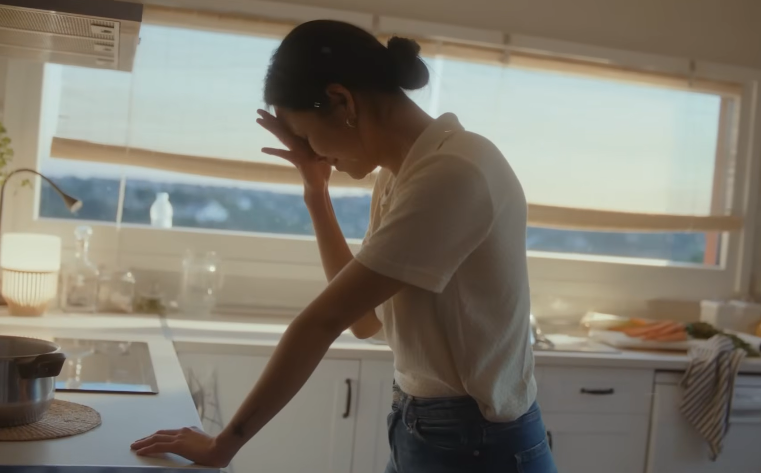
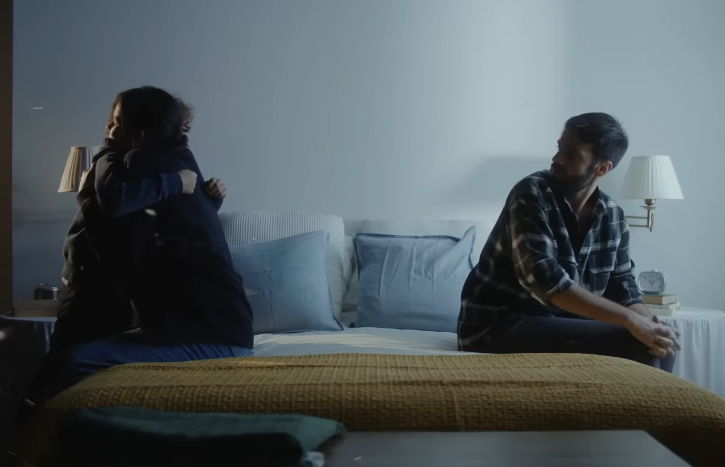
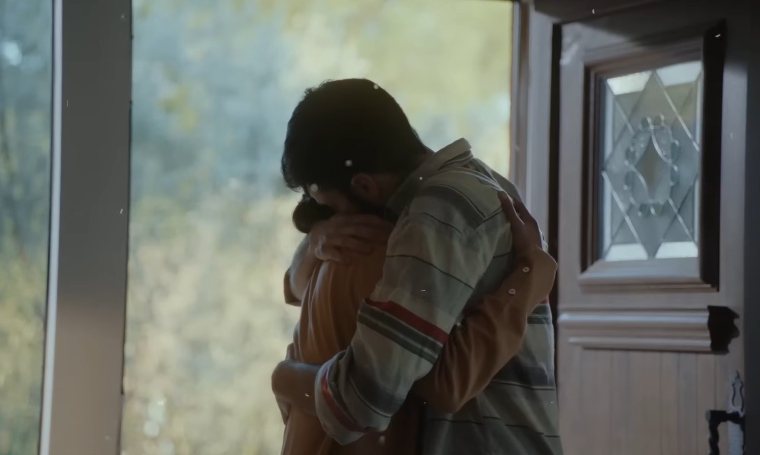
This isn’t just a breakup song. It’s about that moment before the end, when everything still could be saved but probably won’t be. That tension is what makes it so powerful. It speaks to anyone who’s ever tried to hold on just a little longer than they should.
🎙️ A Powerhouse Musical Lineup
Behind the emotional delivery is a seriously stacked lineup of musicians. The presence of David Hungate on bass adds depth, while Jerry Kroon on drums keeps the rhythm grounded and organic.
The piano work by John Jarvis adds a soft, reflective layer, perfectly complementing Janis Carnes’ vocals. Meanwhile, Jimmy Olander brings subtle texture with the bender guitar, elevating the song’s emotional tone without overpowering it.
This is a textbook example of how great musicians don’t compete; they collaborate to serve the story.
🎤 Vocals That Feel Personal
Janis Carnes’ voice doesn’t just sing the lyrics it feels them. There’s a quiet restraint in her delivery, which makes the pain sound authentic rather than dramatic. Rick Carnes’ backing vocals act like an emotional echo, reinforcing the sense of longing.
It’s intimate, almost like overhearing a private conversation you weren’t meant to witness.
🔥 Why This Song Still Resonates
In a world of high-energy tracks and viral hooks, “The Hard Way” stands out by doing the opposite. It slows things down and forces you to feel. That’s its competitive advantage.
It reminds us that love isn’t always cinematic, it’s messy, uncertain, and sometimes unfair. And yet, that’s exactly why it connects.