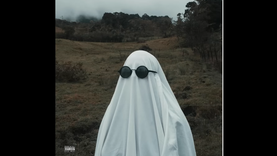
Some projects take months of meticulous planning. Others arrive like a lightning bolt. This short piece is the latter a week-long creative sprint built around a melody inspired by the legendary violin virtuoso Niccolò Paganini.
Paganini’s compositions are famous for their technical intensity and dramatic flair. They’re not exactly what you’d expect to hear reborn as a laid-back groove. Yet that contrast is precisely what makes this track so compelling. It bridges centuries in a way that feels organic rather than forced — classical precision meets slow-burning nostalgia.
The Beauty of “Accidental” Magic
The most captivating element? The so-called “accidental” human vocals.
Sometimes the unplanned moments are the real MVPs of the creative process. What may have started as a spontaneous layer or background texture ends up becoming the emotional anchor. The vocals inject warmth into the arrangement, grounding the classical influence in something deeply human and intimate.
It’s a reminder that perfection isn’t always the goal. Texture, imperfection, and spontaneity often carry more emotional weight than polished execution. That raw edge makes the piece feel alive.
Channeling 90s Slow Jam Energy
The title nods to that unmistakable 90s dance floor vibe think dim lights, smooth transitions, and tracks that linger just a little longer than expected.
This isn’t high-tempo club chaos. It’s a controlled atmosphere. The pacing allows the melody to breathe, unfolding gradually rather than rushing to impress. The mood is reflective yet rhythmic, nostalgic yet fresh.
There’s something strategic about blending classical motifs with R&B-influenced slow jam aesthetics. The structure feels modern, but the emotional core carries old-world drama. That duality creates a listening experience that feels both cinematic and personal.
Short Form, Strong Impact
Even as a short video, the piece delivers a complete arc. There’s intention behind the layering, restraint in the arrangement, and clarity in the mood.
In today’s fast-scroll digital ecosystem, short-form content often sacrifices depth for speed. This project does the opposite. It compresses emotional storytelling into a tight runtime without losing impact. That’s creative efficiency at its finest.
Why It Works
Classical inspiration adds depth and technical backbone.
Human vocals introduce warmth and relatability.
Slow jam rhythm builds atmosphere instead of urgency.
The short format keeps the experience focused and replayable.
It’s a reminder that innovation doesn’t always mean complexity. Sometimes it’s about recombining familiar elements in a way that feels honest and unexpected.
Creative risks like this expand the boundaries of genre. When classical melodies collide with nostalgic grooves, you get something that feels timeless rather than trendy.