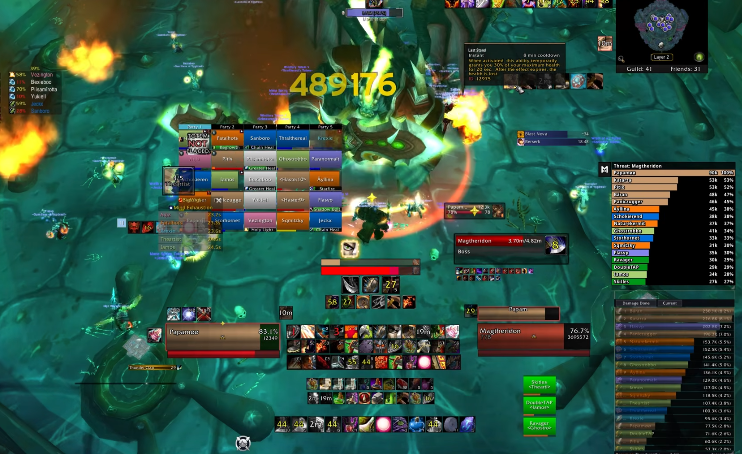
Raiding has always been one of the most thrilling parts of the massive universe of World of Warcraft. It’s where coordination, strategy, and a bit of controlled chaos collide. For many guilds, the early weeks of raid progression are a test of discipline and teamwork. When a dedicated group steps into legendary encounters like Gruul the Dragonkiller and Magtheridon, the result is often an intense battle that separates organized guilds from casual adventurers.
The Thrill of Week-Two Progression
Week two of raiding is where things start getting serious. The initial excitement of entering a raid instance fades, and what remains is pure execution. Guilds refine their strategies, adjust player roles, and learn from mistakes made during the first week.
For the Horde guild Guardian of Yggdrasil, the second raid week is all about tightening coordination. Every player has a defined responsibility from tanks controlling boss positioning to healers managing sudden damage spikes. Even a single misstep during these fights can cause a full raid wipe, which is why communication becomes the most valuable tool in the arsenal.
Raid progression is less about raw power and more about synchronized performance. When twenty or more players move like a single organism, bosses that once seemed impossible suddenly become manageable.
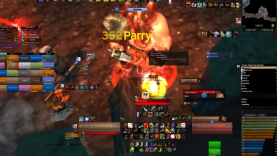
Confronting Gruul the Dragonkiller
Among early raid encounters, Gruul is infamous for testing positioning and awareness. As the fight progresses, his abilities intensify, forcing the raid team to spread properly and react quickly.
The core challenge lies in surviving increasing damage while maintaining formation. Tanks must keep control of the boss while DPS players balance aggression with survival. Meanwhile, healers work overtime to counter heavy raid-wide damage.
What makes Gruul memorable is how quickly a small mistake escalates. One misplaced player can disrupt the entire formation, triggering chaos in seconds. Successful guilds rely on practice, discipline, and consistent communication to keep the battle under control.
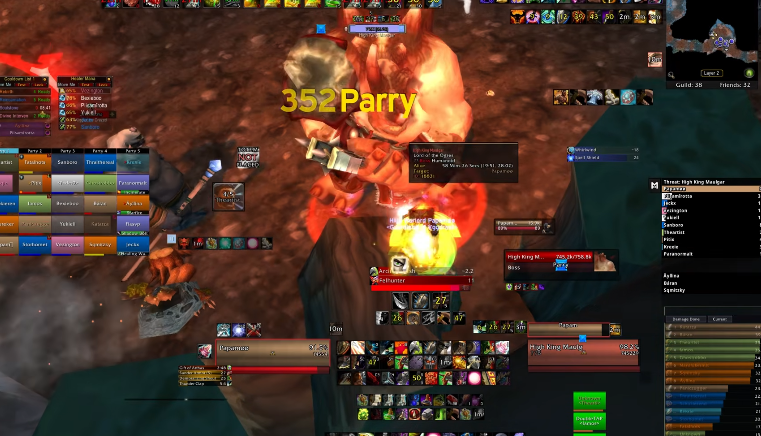
The Challenge of Magtheridon
If Gruul tests positioning, Magtheridon pushes coordination to another level. This encounter demands that multiple raid members activate specific mechanics simultaneously while still handling incoming damage.
Timing is everything. Teams must execute interrupts, manage ads, and handle environmental effects without breaking focus. It’s a true teamwork challenge ;every player matters.
When a raid finally brings Magtheridon down, it feels less like defeating a boss and more like solving a complex cooperative puzzle.
Why Guild Teamwork Matters
The magic of raiding isn’t just the boss fights, it’s the collaboration behind them. A strong guild builds trust, adapts strategies quickly, and celebrates victories together. Each raid night becomes a learning experience that sharpens the entire team.
Over time, these encounters transform players from individuals into a cohesive raid unit capable of tackling even greater challenges.
Final Thoughts
Early raid progression is where guild identity truly forms. Battles against Gruul and Magtheridon highlight the importance of preparation, communication, and teamwork. With the right strategy and a dedicated group of players, even the toughest encounters can become unforgettable victories.