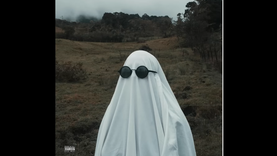
There are songs that arrive like an umbrella in a storm: they shelter you, but they also make you notice the rain. This song opens with the smallest, most intimate admission — “Time was never really on our side. We never got a chance to try.” Those words carry the weight of a relationship that always felt slightly out of reach, like two people orbiting each other but never quite meeting. The rest of the song is a tender tug between resignation and hope.
What hits first is the contrast. The verses read almost like a breakup note, honest and unadorned. Lines such as “And now we have to say goodbye” and “Strange how everything gets in the way” pin down the practical reasons relationships fall apart: timing, life’s interruptions, the slow accumulation of small, unspoken compromises. There is no blame here — just a weary clarity. That makes the song feel genuine. It’s not a dramatic, theatrical curtain fall. It’s a whispered, private closing of a chapter.
The chorus pulls you back from total despair. “Tell me something’s here to save” is not a demand; it’s a fragile question sent into the dark. The singer wants confirmation that their love can be retrieved, that it can be traced back to its beginning: “That we can find it at the start.” That image — finding love at the start — is so simple, and it’s devastatingly human. We all want to believe that the good parts of a relationship can be rediscovered, even after hurt or distance. The song uses this image as its emotional anchor.
Repetition is used with purpose here. Phrases return in different forms — “I don’t want to walk away,” “I’m never giving up,” “When all of my steps start to fade” — and each time they arrive they carry a slightly different shade of meaning. Early on they feel like pleas. Later they feel like resolve. That arc from plea to resolve is the song’s spine. It mirrors how humans process loss: denial, bargaining, then the hardening of the heart as we choose whether to let go or keep trying.
Musically, the piece seems built to support that intimacy. Sparse instrumentation around the opening lines would make each word feel exposed. When the chorus opens up, the listener hears more space and perhaps a lift in the arrangement — the sonic equivalent of standing up to shout into the rain. Moments labeled in the transcript as “Heat” or extended musical segments suggest a build, a swell of feeling that needs no words. Those instrumental breaths are where listeners can insert their own memories.
There’s also a line that feels like a promise: “Even if it’s not right now, we’ll find our way back somehow.” It’s not naive. It’s not a promise that everything will be fixed. It’s a pledge to keep searching, to leave the door unlatch. That nuance is everything. Rather than insisting on an immediate reconciliation, the singer is saying, in effect, “I won’t close myself off to us.” That quiet, patient hope is what makes the song linger.
Finally, the refrain “love can be retraced” acts as a thesis. Retracing implies walking back along the exact steps you took, remembering the small details, and maybe correcting mistakes. It acknowledges that love leaves footprints — if you look closely enough, you can follow them. The lyric doesn’t guarantee outcome, it only insists on the possibility. And for many of us, that possibility is what keeps the heart from giving up.
If you listen to this song at night, it asks you to feel both the ache of what’s lost and the stubborn ember that might still glow. It is not a tear-stained plea nor a triumphant anthem. It’s the middle-of-the-night confession you make to yourself when you decide whether to close the book or write another chapter.